
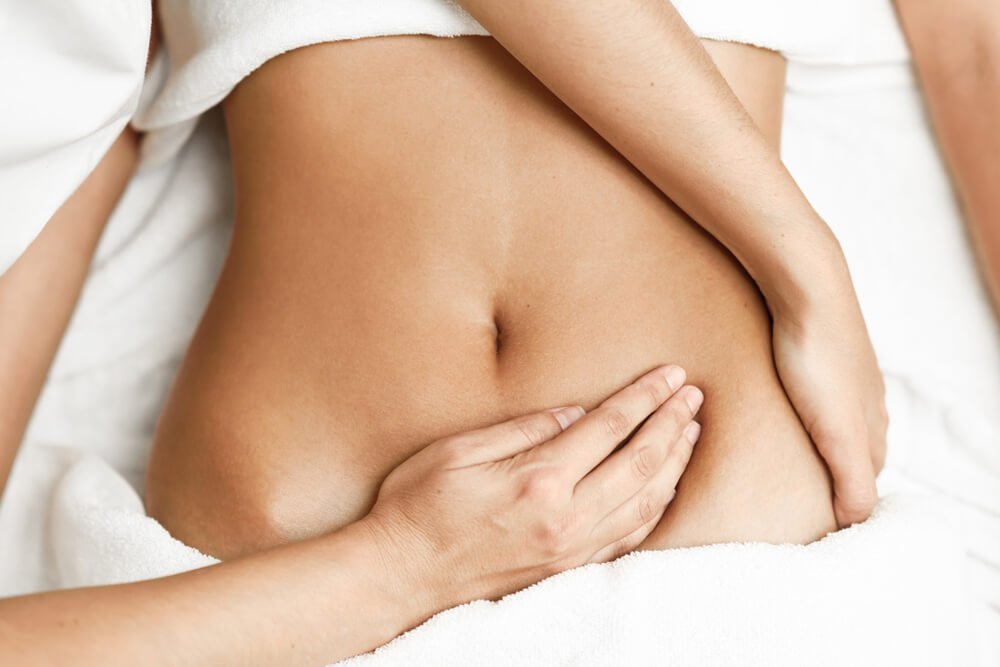
Post-op lymphatic drainage is often discussed during recovery from surgery. After liposuction, a tummy tuck, a BBL, breast surgery or other body procedures, it’s common to notice swelling, firmness, water retention or lumpiness around the treated areas. This is part of normal healing. Surgical instruments create small channels in the tissue that fill with fluid, and the surrounding area becomes inflamed.
How Post-op Lymphatic Drainage Helps
Post-op manual lymphatic drainage is a gentle, rhythmic technique that encourages excess fluid back into the lymph vessels so the body can clear it. Many plastic surgeons recommend it to reduce swelling, ease pressure on incision lines and help the tissue settle smoothly.
When swelling lingers, inflamed tissue can firm into fibrosis, the hardened areas sometimes felt after liposuction. Consistent, appropriately timed lymphatic care is often part of a surgeon’s plan to reduce that risk.
Traditional Massage vs. MLD vs. Post-op MLD
Traditional massage works muscle and deeper soft tissue. Swedish or deep tissue pressure is too firm for healing post-surgical tissue.
Manual lymphatic drainage (MLD) uses light, precise skin stretching that won’t compress the lymph vessels just beneath the surface. It encourages the vessels’ natural rhythmic contractions.
Post-op MLD applies lymphatic techniques to post-surgical tissue specifically, with careful attention to swollen and fibrotic areas as healing progresses.
Timing and Number of Sessions
Surgeons commonly recommend beginning lymphatic drainage anywhere from 24 hours to two weeks after surgery. Many clients need a series of sessions, often 4 to 12 or more, depending on the procedure, the areas treated and how quickly their body recovers.
A Note on Machines and Aggressive Tools
Body contouring machines, deep suction and aggressive tools are not appropriate during early recovery. They can inflame tissue that is already traumatized and strain an overburdened lymphatic system. Always follow your surgeon’s guidance on when, and whether, these can be introduced.
This article is for general education.